Life and Illness in the Shadow of War
Narrative of War from Within
Azam Soufiani*
Translated by Raha Sabet Sarvestany
IRWomen**
Since the Israeli attack on Iran on June 13, 2025, I have been waiting for another war every single day. Trump’s ultimatums, along with the enthusiasm of pro-war voices both inside and outside Iran, have made me brace myself for the sound of explosions at any moment. As the year draws to a close, this anticipation only intensifies.
At every loud noise, I jump:
“Was that an explosion? Did they attack?”
Others try to calm me:
“No, it’s construction noise… thunder… a car door… a motorcycle… the refrigerator… someone knocking.”
This constant anticipation, mixed with fear, has disrupted my sleep. My bed is right under the window. Every night, I pull the blanket over my head, thinking that if an attack comes and the glass shatters, at least I might be protected. It is the extent of my safety preparation.
In the mornings, when I wake up and see that my body is still intact, that I am unharmed, I take a deep breath and whisper:
“Thank God… it seems calm.”
On February 28, my brother is scheduled for surgery. It is Ramadan. After the pre-dawn meal, we send them off to the hospital. To ease my anxiety, I lie down for a while.
Around eight in the morning, I wake up suddenly, two sounds, like explosions. My mother wakes up too.
No… not explosions. Just imagination. Probably construction noise from the next street.
My brother is in surgery. It started at eight. I am anxious. I fell asleep again.
Around ten, I wake again, but this time the sounds cannot be denied. News spreads. The explosions are real.
The war officially began.
We worry about my brother in the operating room. His son tells us the surgery is continuing and everything is fine, but all other surgeries in the hospital have been canceled.
I have no good memories of illness during wartime.
During a previous war, a friend had to leave Tehran for a safer city. His wife was undergoing chemotherapy. They went together, but she never returned. I often think that if she had remained under the care of her own doctors, she might still be alive.
Another friend, whose mother is bedridden, cannot find a nurse in Tehran and is forced to leave overnight for Isfahan.
Having a patient, especially one who cannot move, is one of the greatest nightmares, both for the patient and for those who care for them.
On the third day of war, my brother is discharged.
Around eleven in the morning, I walk out to buy sweets to celebrate his return home. On the way, I hear unfamiliar sounds in the sky, like airplanes flying low. Later, I will learn they are fighter jets warning that bombs may soon fall.
People in the streets look up at the sky. I do too, but I see nothing.
When I return home, I learn that a target less than a kilometer away has been hit. In the afternoon, another powerful explosion comes from the same direction.
Sleeping has become even harder. I stay awake until dawn, but I have no energy for the pre-dawn meal. When the sky begins to lighten, I finally fall asleep, exhausted from staring at my phone, following the news.
I lose track of the days.
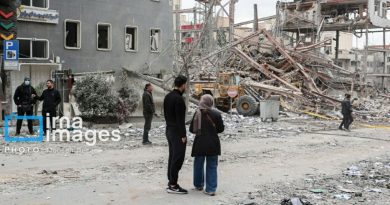
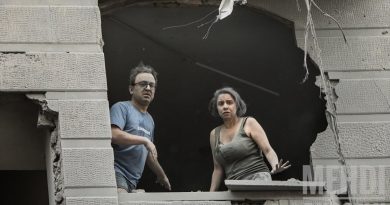
One morning, around ten, the police station near our home is struck. The explosion, perhaps from a bunker-busting bomb, shakes the house violently. The windows tremble. I wake in panic and rush with my mother into the bathroom, seeking shelter until the noise subsides.
Now even daytime offers no rest.
Because of my brother’s condition, we cannot leave Tehran.
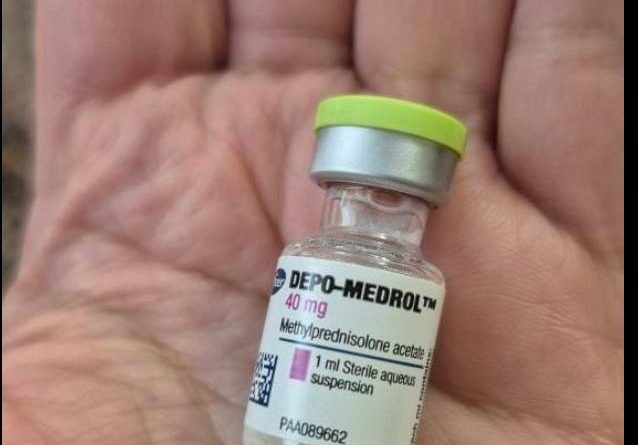
We must explain this to every friend and relative who asks why we are still here. His medical needs have become more complex. We are constantly in contact with his doctor’s assistant. He requires stronger painkillers, which can only be administered under medical supervision.
I reached out to a friend in the Red Crescent. I sent her a photo of the medication. She arranges for colleagues to come to our home between shifts to administer the injection.
Their presence brings us comfort. We thank them with tears in our eyes.
There are ten days left until the end of the year, and my brother needs another urgent surgery.
Our worries multiply:
Will there be prosthetics available?
Will doctors and nurses still be there?
Will the hospital accept the procedure?
I have never seen my mother, who is usually calm, in constant dialogue with God, so restless and distressed. Facing both her child’s illness and war at the same time has overwhelmed her.
Even prayer no longer brings her peace.
Fortunately, in the final week of the year, the surgery is performed.
My brother spends two nights at the ICU and three nights at the ward. On March 19, he is discharged.
The hospital is quieter than usual. Many surgeries have been postponed. But all staff, doctors, nurses, assistants, service workers, and guards remain present until the very last moments of the year.
We do not know how to thank them.
With their help, our family manages to navigate this crisis. Yet at the same time, we think of other patients:
Were their surgeries performed?
Did they receive post-operative care?
Were prosthetics and equipment available?
Could they access blood units?
Did they find their medications?
Could they afford the costs?
Did they have access to doctors?
And so many other urgent needs.
*Azam Soufiani, holds a PhD in Communication Sciences. She is a university lecturer and researcher in communication and cultural studies, and a board member of the Iranian Association for Cultural Studies and Communication.
**Iranian Women’s Center